Back to work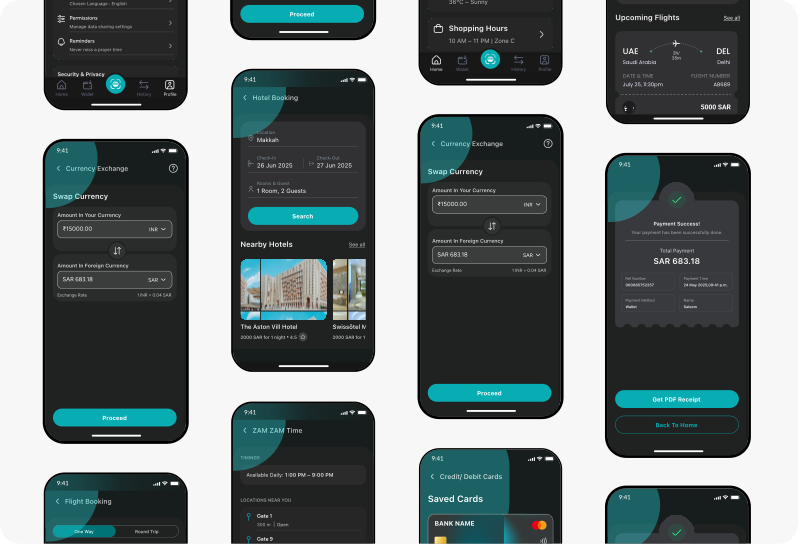
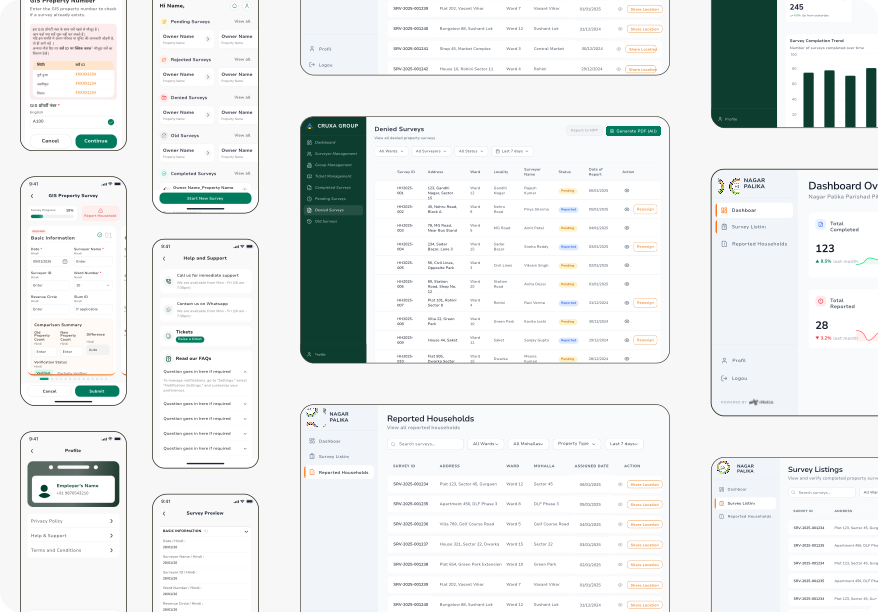
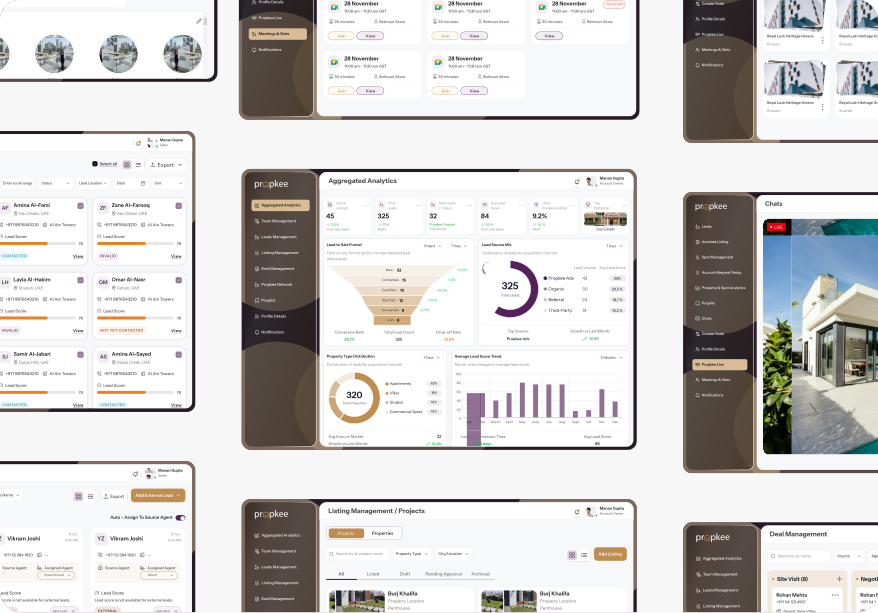
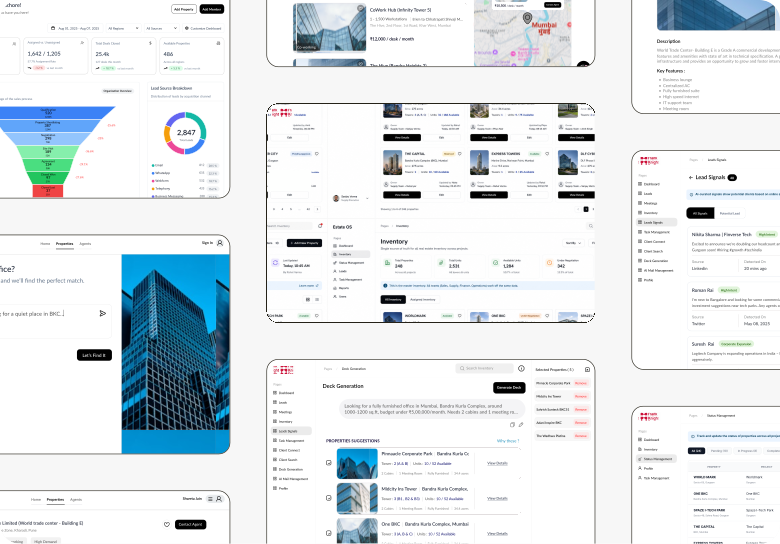
Saudi Pay · 2025
Designed a unified wallet to simplify cross-border money for pilgrims
A digital wallet experience helping international pilgrims manage payments, currency, withdrawals, and essential services through one financial ecosystem.
The Situation
The problem wasn’t payments
Pilgrims don’t just struggle with paying — they struggle with managing money across the entire journey.
- Cash-heavy and unsafe
- FX is opaque and confusing
- Money flows are fragmented across systems
This wasn’t a payments problem. It was a money-management problem end to end.
The Core Decision
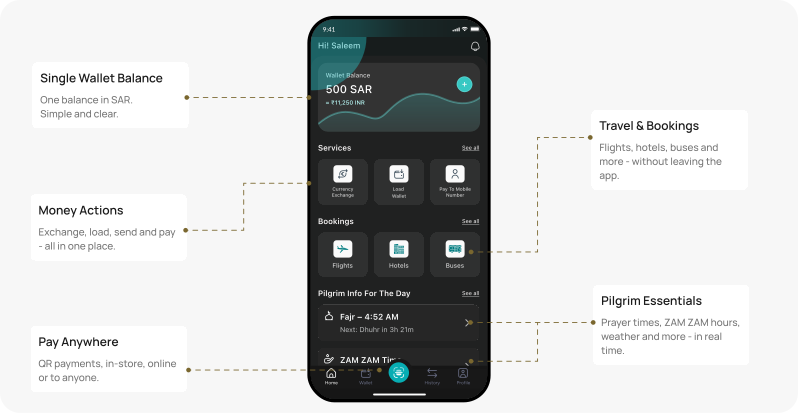
One wallet. One balance. Not multiple currencies.
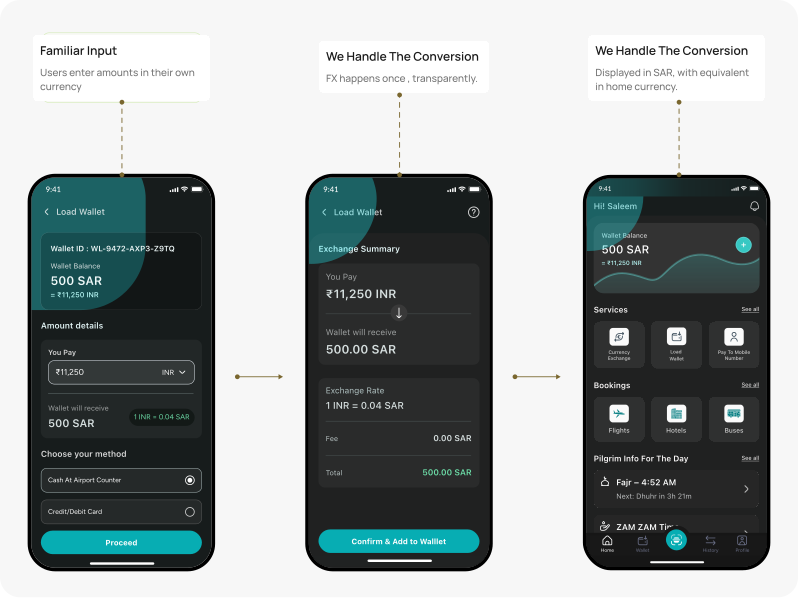
Instead of creating separate wallets for each currency (INR, SAR, IDR), I designed a single unified wallet where:
- Value is stored in SAR
- Balance can be viewed in home currency
- FX happens once, not at every step
Removed decision-making at the moment of payment — where friction matters most
Impact
Simplified cross-border money into one system
Eliminated Currency Friction
Users didn't need to think in FX rates while spending
Created One Mental Model
A single balance worked across the entire journey
Made Payments Feel Local
International transactions behaved like everyday ones
Supporting Decision
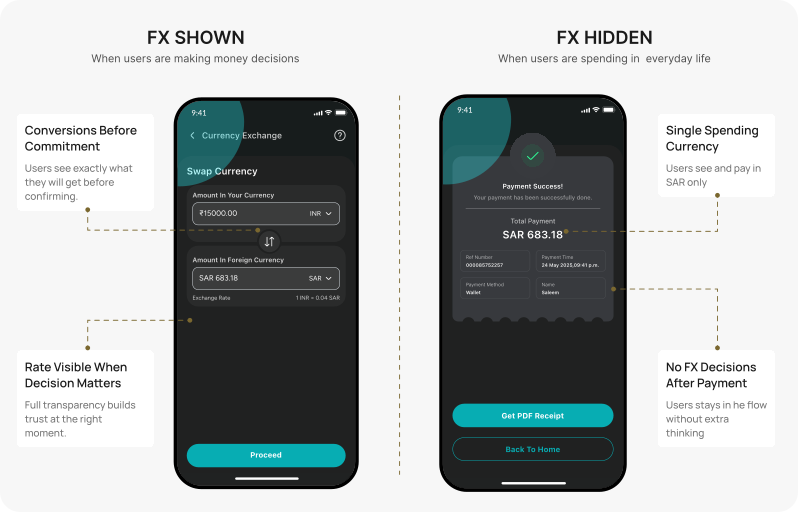
FX was treated as a trust layer, not a constant
Most fintech products surface FX details everywhere. I deliberately avoided that.
Foreign exchange was shown only at moments where clarity mattered, not during everyday usage.
FX Shown
- Wallet loading (cash or card)
- Withdrawals to home currency
- Intentional currency exchange
FX Hidden
- Wallet spending in SAR
- Local, everyday transactions
- Routine wallet payments
Reduced anxiety during payments
Prevented FX fatigue
How Money Enters The System
Supported both digital and physical loading to match real-world behavior
Pilgrims don’t operate in fully digital environments. So the wallet had to support two fundamentally different loading behaviors.
Two Loading Paths
Cash and card were designed as equal citizens.
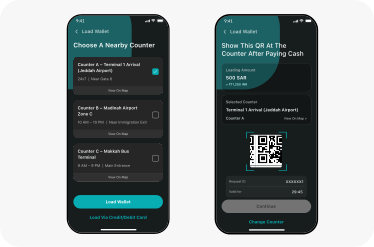
Cash at airport or partner counter
- User selects location
- System generates a payment QR
- Physical verification completes loading
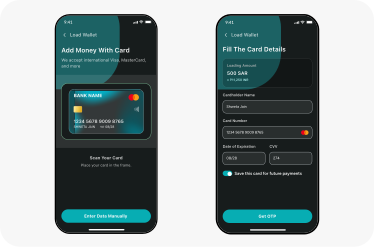
Card loading (with scan support)
- Manual entry or card scan
- Bank OTP authentication
- FX summary before confirmation
The wallet adapted to existing habits instead of forcing new ones.
The Strategic Decision
Speed vs Trust — and why I supported card scanning
Card scanning reduces friction — but increases perceived risk. Instead of removing it, I:
- kept scan optional
- reinforced confirmation states
- added explicit FX preview before final load
Balanced speed with trust — without forcing risky behavior
Impact
Faster wallet activation
Bridged digital and physical ecosystems
How Payments Worked
Wallet first. Card only when necessary.
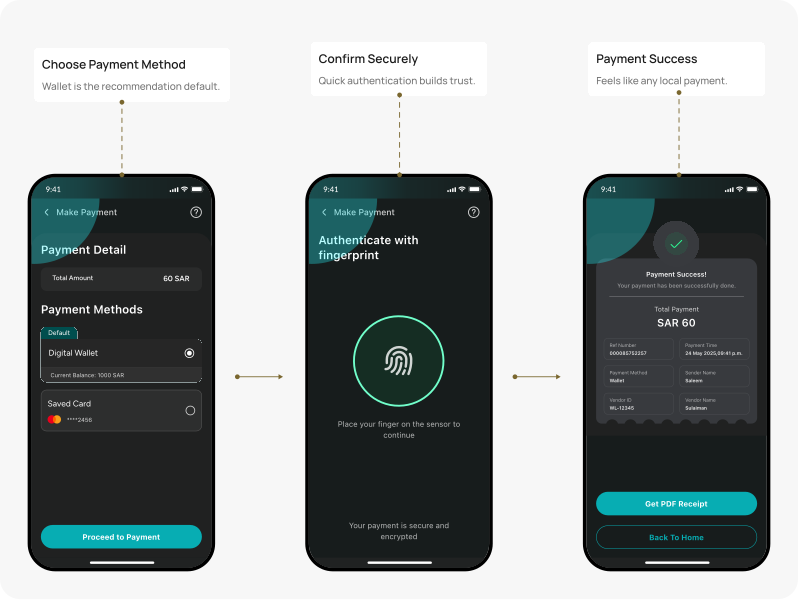
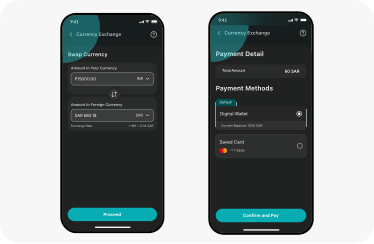
Pilgrims could scan a QR and pay using their wallet balance (default) or a saved credit/debit card.
Users could scan a QR and pay using:
- Wallet balance (default)
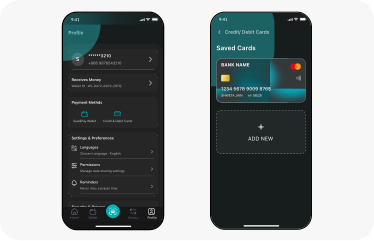
- Saved credit/debit card
Design Decision
- Wallet handled everyday spending.
- Cards remained available as a secondary payment option.
- The wallet stayed the primary payment behavior.
The goal was to guide adoption through defaults.
Reinforced wallet-first adoption
Maintained flexibility without confusion
Proving Users Can Exit
Withdrawals were a trust feature, not a utility.
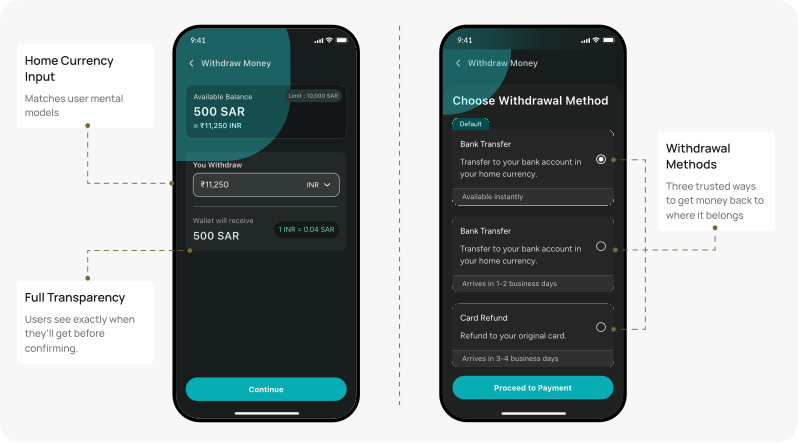
Withdrawals mattered in three moments:
- End of pilgrimage
- Emergency cash need
- Merchant limitations
Withdrawal Methods
Bank transfer (home currency)
Card withdrawal
Cash at partner counters
Matched user mental models by allowing withdrawal in home currency
Improved trust by making exit from the system predictable and transparent
Beyond Payments
Designed as an ecosystem, not just a wallet
Saudi Pay extended beyond transactions to support the broader journey.
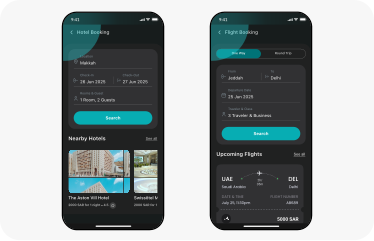
- Travel & service bookings
- Currency exchange feature
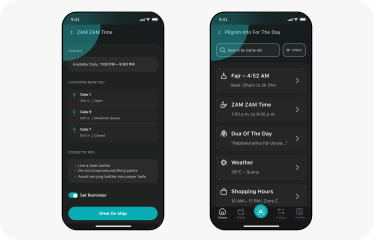
- Prayer times and contextual utilities
Booking flow
Currency exchange
Pilgrim utilities
Profile management
Design Intent
- Keep money centralized
- Reduce switching across services
- Make the wallet useful beyond payments
Positioned the wallet as infrastructure powering the entire journey.
Signing Off!
Key takeaways
If I had to distill what this project reinforced for me, it would be this:
Trust Is Built Through Clarity At Critical Moments
Clear exits and transparency create confidence.
Defaults Shape Long-Term Behavior
Wallet-first flows reinforce digital usage.
Reducing Decisions Improves Adoption More Than Adding Features
Centralized money prevents fragmentation.